
What “Pre-Loss Condition” Really Means and Why It Matters
“Pre-loss condition” is a common term in insurance parlance that describes the state and value of property immediately before it incurred damage. An insurance company aims to repair it to a comparable condition or compensate its pre-loss value if it’s a total loss. For collision repair, the pre-loss condition is the state to which an insurer will pay to fix your vehicle.
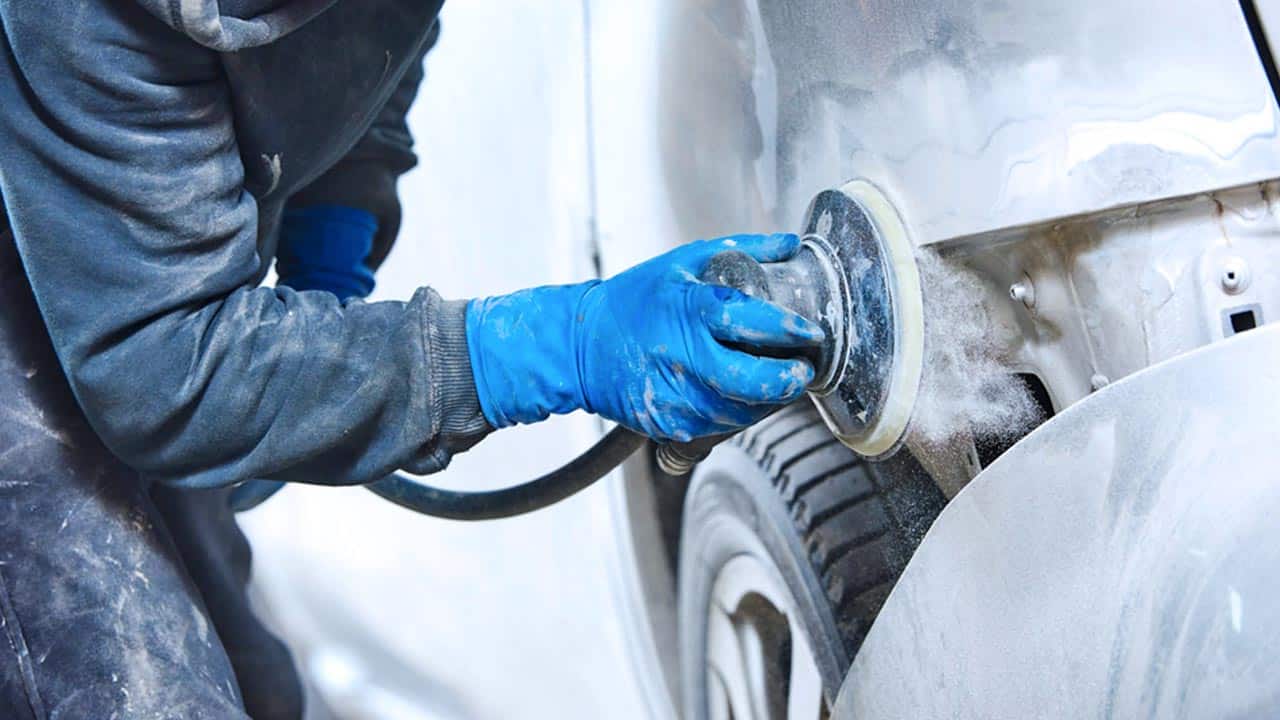
What does “pre-loss condition” mean in collision repair?
In the case of a damaged vehicle, “pre-loss condition” describes a vehicle’s appearance, function, and value just before it suffered a collision or other incident. From an insurer’s viewpoint, the goal is to restore your car as close as reasonably possible to its condition just before the crash.
That condition includes everything that was already true of a vehicle before an accident. We’re talking the mileage, normal wear, any prior damage, and the existing state of its paint and panels. Insurers use this information as the benchmark for scoping repairs, which means the goal is a vehicle restored to how it was, not one repaired just enough to be roadworthy.
For example, a sideswipe collision could puncture two tires, smash the passenger’s side window, and scratch the paint all along the side of your vehicle. Your insurance company can’t just cover the cost of the auto body repair services related to replacing the tires and smashed automotive glass. It has to cover the cost of the paint repair, too, even though that’s not critical to the act of driving.
On the other hand, say there was a pre-existing scratch on the paint on your driver’s side door that you caused by driving into a bush months earlier. The insurance company wouldn’t be obligated to cover the cost of that repair. That particular scratch was part of your vehicle’s pre-loss condition.
What factors determine a vehicle’s pre-loss condition?
A vehicle’s pre-loss condition is determined by a set of factors that show what shape it was in before the collision. These include:
- Age and mileage: A vehicle with 200,000 km (about 125,000 miles) is assessed differently than one with 40,000 km (about 25,000 miles).
- Prior repairs: Earlier collision or paint work that’s still on the vehicle.
- Existing dents and scratches: Cosmetic damage that predates the loss.
- Tire and glass condition: Worn tread, chips, or cracks that were already there.
- Aftermarket modifications: Upgraded wheels, audio systems, or body kits.
- Maintenance records: Service history showing how well the vehicle was cared for.
An insurance company and auto body shop establish this description of your vehicle from a physical inspection, photos, service records, and often a vehicle history report that flags past claims.
What does insurance cover regarding the pre-loss condition?
Insurance usually covers the cost of restoring your vehicle to its pre-loss condition, but not any costs associated with improving it beyond that. Your policy and deductible set the final amount, but the principle holds: the repair should match how the vehicle was before the collision.
What insurance typically covers
- Repairs that return damaged parts to their pre-loss state.
- Parts of a similar kind and quality, as your policy allows.
- The labour, paint, and materials needed for a proper repair.
What insurance typically does not cover
- Damage and wear that existed before the collision.
- Upgrades that leave the vehicle better than it was (known as “betterment”).
- Lost resale value after the repair is complete.
Three factors can change the outcome. Insurance firms often exclude prior damage from the estimate. Betterment applies when a repair improves on the original, like a new tire replacing a worn one. As an example of how an insurer might handle this, Manitoba Public Insurance holds customers responsible for betterment once total charges exceed $100.
Note that parts policies matter, too. Ontario’s statutory conditions let insurers use OEM parts or non-original parts of “like kind and quality.”
| Pre-loss Condition | Better-than-before Condition | |
|---|---|---|
| What it means | Restored to how it was just before the accident. | Left in better shape than before the accident. |
| Example | Damaged fender replaced and painted to match the vehicle. | Worn, faded bumper swapped for a brand-new one. |
| Typical coverage | Covered, subject to your deductible and policy terms. | Not necessarily covered; you may have to pay the difference. |
The takeaway
Insurers restore your vehicle to how it was-not better than it was. That’s why documented, OEM-quality repair matters.
What does pre-loss condition mean for your vehicle’s value?
Pre-loss condition matters for your vehicle’s value because even a flawless repair leaves a collision on its record. And that matters because buyers often pay less for a vehicle with any history of collision.
This loss, called diminished value, usually isn’t compensated for in Canada. According to CBC reporting, the Insurance Bureau of Canada says no province or territory offers that coverage, since it treats the lost value as an indirect loss.
That’s why repair quality and records matter. A repair completed to OEM repair standards and backed by photos, invoices, and post-repair imaging shows buyers and appraisers that a certified collision repair shop properly repaired your vehicle. This can help you defend your asking price or trade-in offer.
How is pre-loss condition documented before and after a collision repair?
High-quality auto body repair services involve documenting a vehicle’s pre-loss condition via a paper trail that begins at intake and ends with the final inspection.
A reputable auto body shop typically builds such a report from these records:
- Pre-repair photos showing the damage and the vehicle’s existing condition from every angle.
- A written estimate that itemizes parts, labour, and paint.
- Supplemental approvals when hidden damage turns up after disassembly.
- Parts invoices confirming exactly what the collision repair technicians installed.
- Post-repair imaging showing the finished work.
Together, these documents create a verifiable record for insurance companies and potential future buyers. Professional auto body repair businesses keep these files on hand, and they’re the same evidence that supports your position if a disagreement arises. This kind of depth of training and attention to detail is what sets highly effective collision repair apart from general auto repair.
Can you challenge an insurer’s assessment of your vehicle’s pre-loss condition?
Yes, you can challenge an insurer’s assessment, and there is more than one way to do this. Start by asking for a re-inspection, supported by your own photos and records. If you still disagree, your policy may include an appraisal clause. In Ontario, for example, you or your insurer can request an appraisal in writing, and it proceeds if the other party agrees. An independent appraiser can also offer a second opinion.
It’s important to know that rules vary by province and policy, so review your wording first. A certified collision repair shop can strengthen your case with the documentation described above and OEM repair procedures.
Want your vehicle restored to true pre-loss condition? Find a certified CSN Collision shop near you.
